
India’s Role in Steering BRICS Amid Growing Geopolitical Tensions

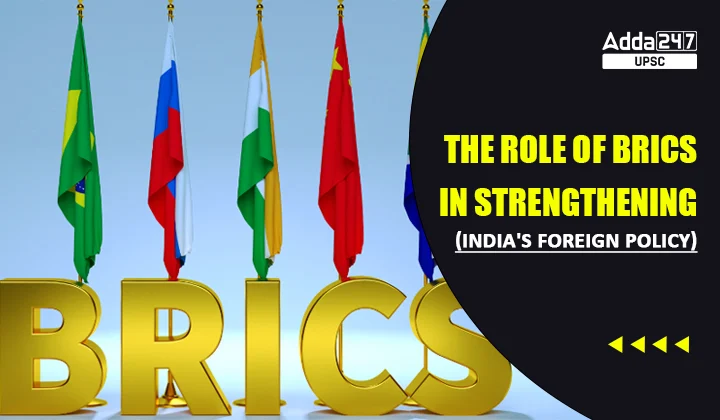
Suara Pecari – 20 April 2026 | India’s potential leadership in BRICS comes as the bloc seeks clearer direction after internal divergences.
Analysts note that India’s growing economic weight and diplomatic balance make it a natural candidate to shape agenda.
In Belgrade, Serbian politician Aleksandar Vulin, founder of the Movement of Socialists, urged Serbia to deepen ties with BRICS as EU pressures intensify.
Vulin argued that BRICS offers flexible cooperation without political strings, contrasting with EU demands to cut contacts with Russia and China.
He called for a national referendum on EU accession, suggesting Serbia explore alternatives beyond the European path.
The Serbian stance reflects a broader shift among countries seeking multipolar partnerships amid Western sanctions.
Meanwhile, Israel’s army reported striking a ready‑to‑fire rocket launcher in southern Lebanon to avert imminent threats to northern Israeli communities.
The operation targeted a loaded system in Qalaouiye, which the IDF described as posing an immediate danger to civilians and soldiers.
Israeli officials said the strike demonstrates a continued policy of pre‑emptive defense against cross‑border attacks.
The incident underscores the volatile security environment on Israel’s northern frontier, already strained by Hezbollah activities.
In South Africa, former foreign minister Roelf Meyer’s recent diplomatic posting has sparked debate over political retribution and nation‑building efforts.
Critics question whether Meyer’s assignment serves as a reward for party loyalty rather than merit‑based selection.
Supporters contend his experience could aid South Africa’s outreach to emerging markets, including fellow BRICS members.
The broader BRICS dialogue also touches on the United States’ involvement in the Iran conflict, which some analysts describe as a losing strategic game for America.
The Iran war, according to independent assessments, strains U.S. resources and erodes regional influence without delivering clear objectives.
These developments converge as BRICS nations discuss expanding membership and deepening economic cooperation.
India’s potential chairmanship could bring a more structured decision‑making process, addressing criticisms of the bloc’s informal nature.
Indian officials have signaled willingness to host a summit that prioritises trade, technology, and sustainable development.
Such a focus aligns with BRICS members’ desire to reduce reliance on Western financial systems.
At the same time, the bloc faces internal challenges, including divergent foreign policies of Russia, China, and Brazil.
Brazil’s recent emphasis on environmental commitments contrasts with Russia’s military posture in Europe.
China continues to advocate for a unified stance on global governance, often clashing with Western norms.
The diversity of interests makes consensus difficult, prompting calls for a clearer strategic roadmap.
India’s diplomatic outreach to Africa and Latin America may serve as a template for BRICS expansion.
By leveraging its non‑aligned history, India could mediate between more assertive members and those seeking economic pragmatism.
Observers note that Serbia’s overtures toward BRICS echo a wider pattern of smaller states seeking alternatives to EU dependence.
The EU’s conditionality on Russian and Chinese ties has left some member states feeling isolated.
Vulin’s statement highlighted that BRICS does not demand political concessions, offering partners “only what they need”.
This message resonates with nations facing Western pressure to align with sanctions regimes.
In the Middle East, Israel’s pre‑emptive strike may influence BRICS discussions on security cooperation.
Some members have expressed interest in coordinated responses to regional threats, though consensus remains tentative.
The United States’ focus on Iran could further open space for BRICS to assert a multipolar narrative.
Analysts warn that without a decisive leader, BRICS risks fragmentation and reduced global relevance.
India’s emergence as a potential coordinator could provide the needed direction and credibility.
The coming months will test whether the bloc can translate economic ambition into coherent policy.
If successful, BRICS may reshape global governance by offering a viable alternative to existing power structures.
The international community will watch closely as India, Serbia, and other members navigate a complex geopolitical landscape.
The situation underscores that global alliances are increasingly fluid, driven by strategic interests rather than ideological blocks.
Ultimately, the ability of BRICS to adapt will determine its influence in an era of shifting power dynamics.







Tinggalkan Balasan
Anda harus masuk untuk berkomentar.