
University of Minnesota Boosts Recycling, Health Planning and Lake Stewardship Programs

Suara Pecari – 25 April 2026 | University of Minnesota’s waste management system now redirects more than half of campus refuse away from landfills, reflecting a coordinated effort to improve sustainability.
Eight full‑time drivers collect waste from over 280 buildings, delivering it to the Como Recycling Facility where trucks are weighed before sorting begins.
Four staff members and a cohort of student workers handle the sorting, ensuring materials are separated for resale or reuse.
Recycling coordinator Ahnika Seifert emphasizes that student participation is crucial for accurate sorting and campus engagement.
Despite the system’s efficiency, only 52% of generated waste is currently diverted, a figure Seifert believes could rise to about 60% with existing infrastructure.
Assistant director Nick Kluge oversees the sale of sorted materials, noting stable demand for paper but volatility in plastic markets.
Kluge finds satisfaction in tracking waste from collection points through the entire recovery chain.
Revenue from material sales funds the recycling operation, reducing the university’s reliance on external financing.
First‑year students such as Logan Ingbretson and Matthew McKenna report confidence in using campus recycling bins, attributing their ease of use to clear visual labeling.
Student feedback suggests that more education is unnecessary because signage already guides proper disposal.
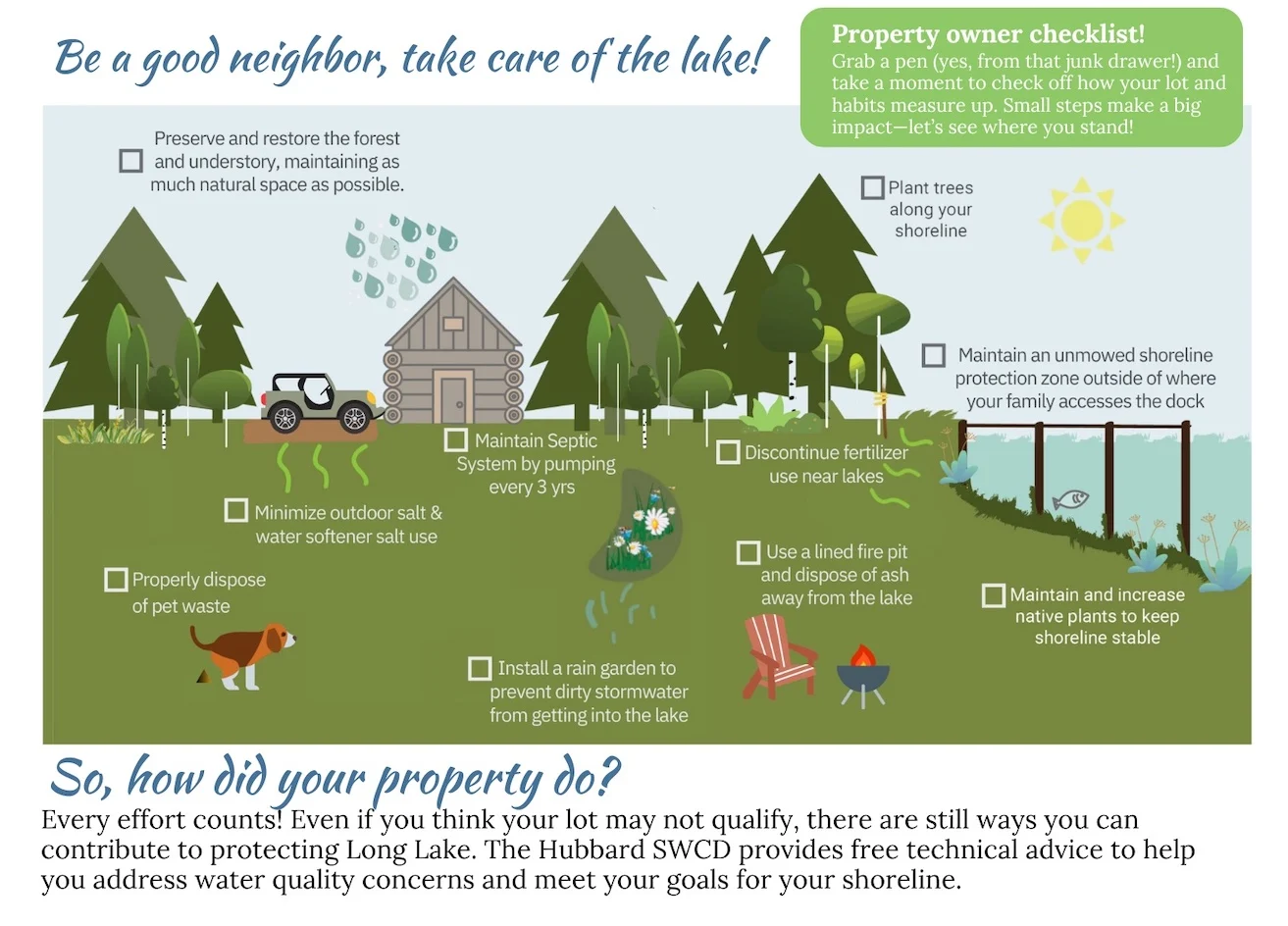
Beyond campus borders, university‑affiliated volunteers are extending environmental stewardship to nearby lakes.
Mary McCormick, a longtime cabin owner on North Long Lake, leveraged the Aquatic Invasive Species (AIS) Detectors Core Course to lead local monitoring efforts.
After completing the course, she built rakes for invasive‑species detection and shared techniques with the lake association.
McCormick now co‑chairs the association’s AIS committee and runs an education station at the annual meeting.
Her outreach has resulted in three cleaning stations equipped with tools to remove boat drain plugs and unwanted plants.
Wearing the “Clean, Drain, Dry” vest, McCormick engages lake visitors, raising awareness of invasive‑species threats.
The university’s extension program also offers a health‑care directive workshop aimed at diverse community leaders.
The one‑hour session teaches participants how to draft advance‑care documents, differentiate living wills from directives, and initiate end‑of‑life conversations.
Workshops can be customized for employers, churches, clinics or civic groups, and are delivered either in person or online.
Materials include a step‑by‑step toolkit with suggested forms to simplify the directive‑completion process.
Extension educators report that participants often leave with actionable plans, such as naming health‑care agents or updating existing directives.
These varied initiatives illustrate the university’s multifaceted approach to sustainability, public health and community education.
By integrating waste reduction, invasive‑species management and health‑care planning, the institution positions itself as a regional hub for practical solutions.
University officials view the combined programs as mutually reinforcing, each fostering responsible behavior in different domains.
Continued investment in infrastructure and volunteer training is expected to improve waste diversion rates and expand environmental outreach.
Stakeholders anticipate that stronger recycling performance will generate additional revenue to support campus services.
Similarly, expanded AIS training could further protect Minnesota’s freshwater resources from harmful species.
The health‑care directive workshops aim to empower more residents with tools for future medical decision‑making.
Overall, the University of Minnesota demonstrates a commitment to translating academic resources into tangible community benefits.
These efforts collectively underscore the university’s role in advancing environmental resilience and public well‑being across the state.






Tinggalkan Balasan
Anda harus masuk untuk berkomentar.