
Mendagri Perintahkan Bebas Pajak Kendaraan Listrik, Gubernur Diminta Terapkan Zero Rate

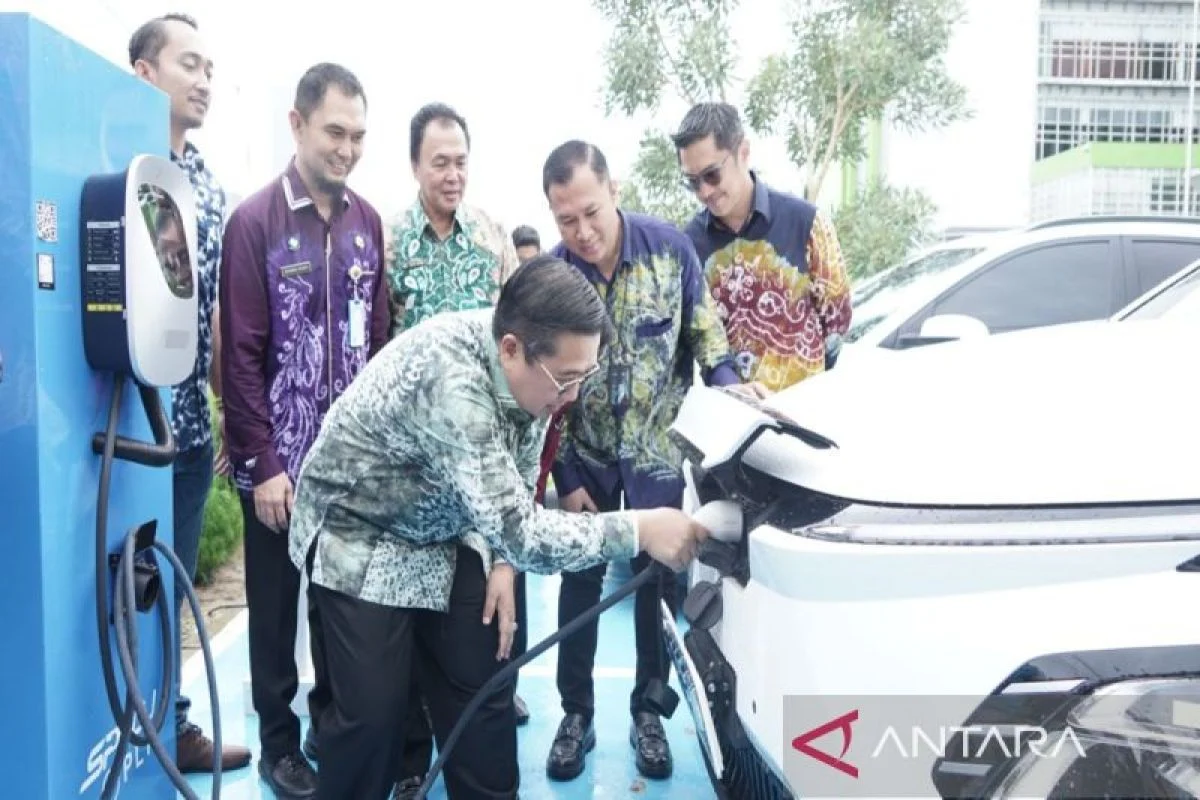
Suara Pecari – 25 April 2026 | The Ministry of Home Affairs (Mendagri) issued a circular instructing all governors to waive motor vehicle tax for electric vehicles (EV) starting 1 April 2026.
The circular No. 900.1.13.1/3764/SJ codifies the exemption of Vehicle Ownership Tax (PKB) and Transfer Tax (BBNKB) for EVs, following the Ministerial Regulation No. 11/2026 that gave regions fiscal leeway.
The directive aligns with Presidential Regulation No. 79/2023, which revises the 2019 regulation to accelerate the deployment of battery‑electric cars nationwide.
Governors are required to issue regional regulations within a month and submit implementation reports to the Directorate General of Regional Finance by 31 May 2026.
The policy aims to lower the total cost of ownership for EVs, making them more affordable for private users and fleet operators.
By eliminating PKB and BBNKB, the expected price reduction can reach several hundred thousand rupiah, according to analysts at a local automotive consultancy.
“Tax relief is a decisive factor for consumers still hesitant about electric mobility,” said a senior analyst who requested anonymity.
The Ministry expects the exemption to stimulate demand, which in turn will boost local battery production and charging infrastructure investment.
The move also supports Indonesia’s commitment to cut greenhouse‑gas emissions in the transport sector, a key component of the Nationally Determined Contribution (NDC) under the Paris Agreement.
While the central government provides the fiscal framework, execution depends on regional capacity to draft supporting regulations and allocate budget for public charging stations.
Jawa Tengah province has already signaled its readiness by announcing a zero‑percent tax rate for EVs until April 2026, pending formal adoption by the governor.
The provincial administration said the temporary zero rate will serve as a pilot to evaluate market response and administrative feasibility.
Officials in the province expect the measure to attract at least 5,000 new EV registrations within the first six months.
“Our goal is to create a visible shift in vehicle composition on the road,” explained the head of the provincial transportation office.
Other regions, such as DKI Jakarta and East Java, have indicated plans to follow the central instruction, though some caution about revenue loss from vehicle taxes.
The Ministry estimates that the overall fiscal impact at the national level will be offset by reduced fuel subsidies and lower healthcare costs linked to air pollution.
Critics argue that the exemption could disproportionately benefit higher‑income groups who can afford EVs, leaving low‑income commuters behind.
Consumer groups have called for complementary measures, such as subsidies for charging equipment and low‑interest loans for EV purchases.
The government has previously launched the Low Carbon Vehicle (KLB) program, which provides a 30‑percent purchase subsidy for qualifying electric cars.
Combining the tax waiver with existing subsidies could cut the effective price of an entry‑level EV by up to 40 percent.
Industry observers note that manufacturers like Toyota, Hyundai, and local player Gesits are preparing to expand their EV line‑ups to meet the anticipated surge in demand.
The success of the policy will hinge on coordinated action between central and regional authorities, adequate charging infrastructure, and consumer awareness campaigns.
If the implementation proceeds smoothly, Indonesia could increase its EV share from less than 1 % to double digits by 2030, accelerating the nation’s transition to a low‑carbon mobility sector.
The Ministry has urged all stakeholders to monitor progress and report challenges promptly, emphasizing that the tax exemption is a temporary fiscal tool, not a permanent loss of revenue.
The collective effort aims to create a sustainable automotive ecosystem, reduce reliance on imported oil, and position Indonesia as a regional leader in electric mobility.






Tinggalkan Balasan
Anda harus masuk untuk berkomentar.