
Eropa Pecahkan Rekor Panas, Tanda Era Fosil Mulai Menyusut

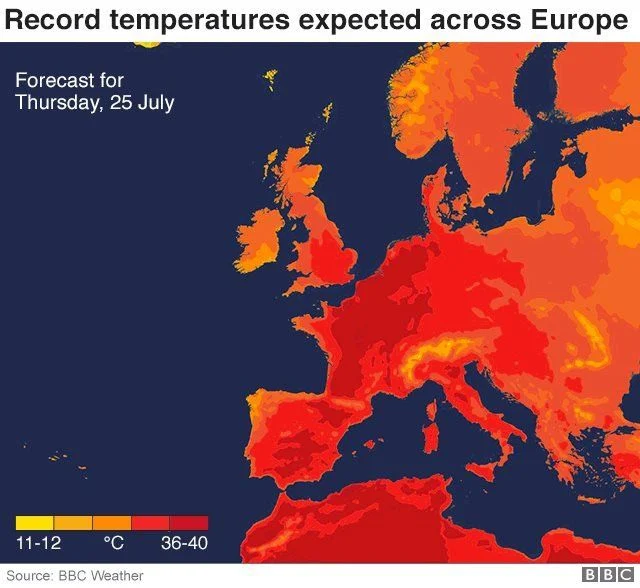
Suara Pecari | Europe shattered previous temperature records last week, with several capitals reporting unprecedented highs. The extreme heat intensified public health alerts across the continent.
Meteorological agencies confirmed that the average temperature for the month exceeded historical averages by more than 3 °C. This set a new benchmark known as the rekor panas Eropa for the region.
The heatwave was driven by a persistent high-pressure ridge that trapped warm air from North Africa. Climate models attribute the increased frequency of such ridges to rising greenhouse gas concentrations.
Power grids faced unprecedented demand as air‑conditioning units ran continuously. In some nations, rolling blackouts were imposed to prevent overloads.
Agricultural sectors reported early wilting of crops and reduced yields. Farmers in southern France and Italy warned of potential food‑price spikes later in the year.
Health ministries issued warnings for heatstroke, dehydration, and exacerbated cardiovascular conditions. Emergency rooms in Spain saw a 25 % rise in admissions during the peak days.
Meanwhile, the same period marked a notable decline in coal‑fired electricity generation. Several western European countries reported lower output as renewable installations reached record feed‑in levels.
German energy regulator noted that wind farms contributed 40 % of the daily load for the first time this summer. Solar farms in Portugal and Greece also posted record‑breaking generation.
Industry analysts interpret the shift as a sign that the fossil era is losing economic viability. Investment in carbon‑intensive projects has dropped by 12 % compared with the previous quarter.
“The market is responding to policy signals and consumer demand for cleaner energy,” said Lena Müller, senior analyst at GreenMetrics. “Continued heat extremes will only accelerate the transition.”
Policy makers in the EU have accelerated the Fit for 55 package, aiming to cut emissions by 55 % by 2030. The latest heat records add urgency to the legislative agenda.
Environmental NGOs warned that without rapid decarbonisation, heatwaves could become the new norm. They called for stricter building codes and expanded green infrastructure.
Economists estimate that climate‑related losses could reach €150 billion annually across Europe by 2050 if mitigation stalls. The financial sector is increasingly factoring climate risk into investment decisions.
Despite the challenges, the continent’s renewable capacity grew by 8 % in the first quarter, offsetting a portion of the carbon budget. Observers view this as a modest but tangible sign of progress.
The combination of record heat and shrinking fossil reliance underscores a pivotal moment for Europe’s climate strategy. Authorities stress that coordinated action remains essential to protect public health and economic stability.







Tinggalkan Balasan
Anda harus masuk untuk berkomentar.