
Vietnam Emerges as Global Sneaker Hub Amid Trade Scrutiny and Cultural Vibrancy

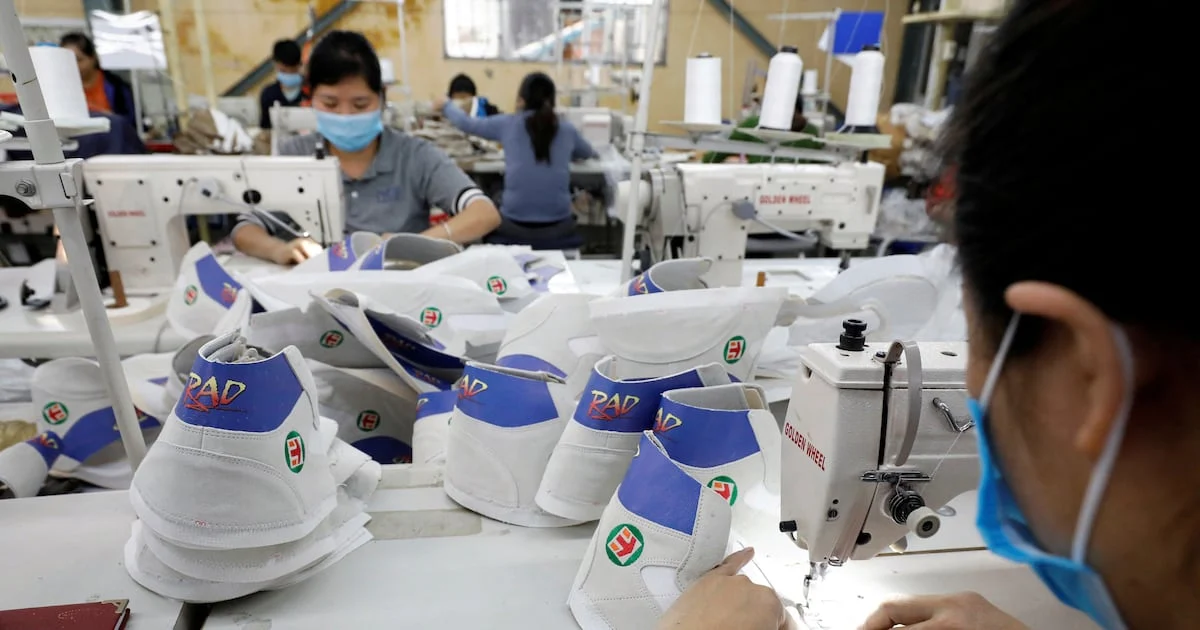
Suara Pecari | Vietnam‘s sneaker manufacturing sector has become a preferred destination for major brands seeking cost‑effective production.
Recent growth, however, has triggered intensified scrutiny over intellectual‑property compliance.
Authorities announced new enforcement measures after several multinational firms reported counterfeit parts in exported goods.
The policy aims to protect foreign investment while reinforcing Vietnam’s reputation for reliable supply chains.
Concurrently, the United States and the European Union added Vietnam to a trade‑investigation watchlist, citing concerns over market access practices.
Argentina and Mexico were removed from the list at the same time, highlighting a shift in trade‑monitoring priorities.
The inclusion may prompt Vietnamese exporters to adopt stricter reporting standards to avoid penalties.
Industry analysts warn that prolonged investigations could affect contract negotiations with overseas clients.
Amid these economic dynamics, Vietnam’s cultural scene continues to flourish, exemplified by the ubiquitous sidewalk xiangqi games in Hanoi.
Residents gather around low tables, sharing tea while two players battle on a wooden board.
Spectators actively comment on moves, turning each match into a communal discussion rather than a silent duel.
Regular participant Tran Van Minh highlighted the social value, saying the crowd’s input makes the game more engaging.
Retired civil servant Le Van Hoang added that the lively atmosphere counters loneliness in post‑work life.
Such informal tournaments have nurtured talent, producing world champion Lai Ly Huynh, who attributes his success to daily street practice.
During Lunar New Year festivals, xiangqi tournaments attract large audiences and even invite foreign masters.
When Chinese players Wang Hao and Liu Zongze competed locally, they were unexpectedly eliminated in early rounds.
The outcome underscored Vietnam’s deep grassroots expertise despite limited formal training.
Beyond games, Vietnam’s urban planning gains international recognition as its two largest cities rank among the top 100 most walkable worldwide.
Hanoi and Ho Chi Minh City earned high scores for pedestrian infrastructure and mixed‑use development.
Urban planners credit government incentives that prioritize sidewalks, public transit, and green corridors.
These improvements support both local commerce and tourism, enhancing residents’ quality of life.
In a separate ceremony, Vietnam honored its military veterans with a welcome‑back celebration.
The event, attended by government officials, highlighted the nation’s respect for service members returning to civilian life.
Veterans expressed gratitude for the recognition, noting the importance of community support during reintegration.
The convergence of manufacturing growth, trade monitoring, cultural vibrancy, and urban advancement paints a complex picture of Vietnam’s development trajectory.
Stakeholders across sectors remain attentive to policy shifts that could influence future economic and social outcomes.
Overall, Vietnam balances rapid industrial expansion with cultural preservation and urban innovation, shaping its role on the global stage.







Tinggalkan Balasan
Anda harus masuk untuk berkomentar.